
7 Must-Try Saudi Arabian Foods: Traditional Dishes Every Expat Should Try
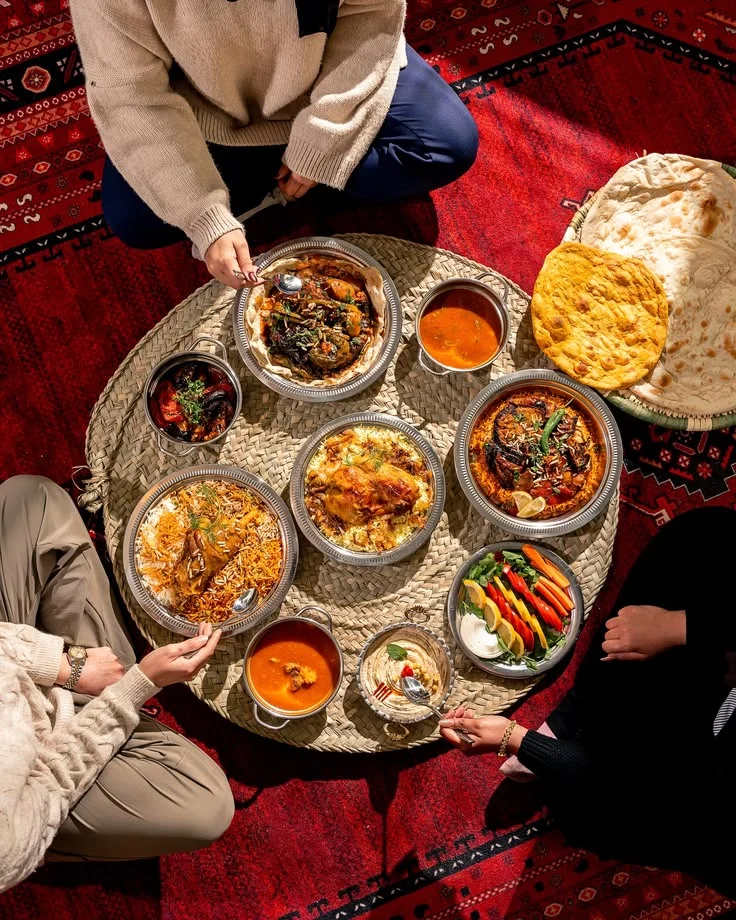
Marhaba! 🇸🇦
Moving to Saudi Arabia as an expat, one of the first things you notice is that everything feels new.
The environment, the culture, the routine. Even simple things like food can feel unfamiliar at the beginning.
As a nurse working here, most of my days are spent inside the hospital. Long shifts, busy schedules, and limited time to explore. So at first, I didn’t really pay attention to the local food. I just ate whatever was easy and familiar.
But over time, I started trying more local dishes. Not in a fancy way. Just through everyday moments. Meals after duty, quick stops at small restaurants, or food shared by colleagues.
That’s when I realized something.
Food here is not complicated, but it carries a lot of meaning. It reflects how people live, what they value, and how they welcome others.
If you’re already in Saudi Arabia, or planning to come here, getting to know the local food is one of the easiest ways to understand the place a little better.
Here are some of the most common and well-known local foods you’ll come across.
- Kabsa – The Signature Dish of Saudi Arabia
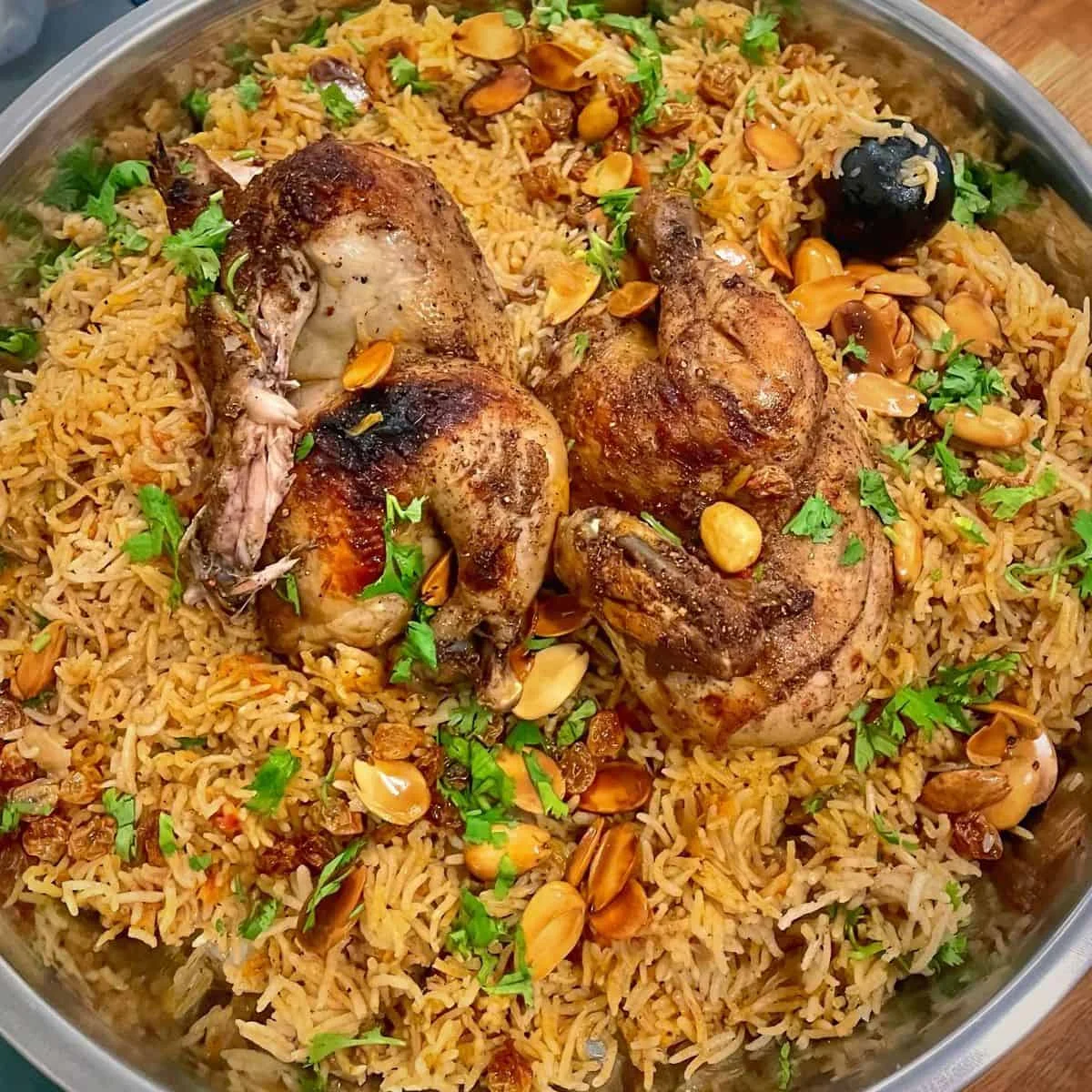
Kabsa is considered the national dish of Saudi Arabia and is one of the most commonly served meals across the country. It is present in everyday meals, family gatherings, and even special occasions, making it a central part of Saudi food culture.
The dish is prepared using long grain basmati rice cooked with tomatoes, onions, garlic, and a rich blend of spices such as cardamom, cinnamon, cloves, bay leaves, and dried black lime. These spices give Kabsa its distinctive aroma and deep, slightly tangy flavor.
The meat used is usually chicken or lamb, cooked until tender and juicy. It is often placed on top of the rice, allowing the juices to soak into the grains and enhance the overall taste. Some variations also include raisins or toasted nuts, which add a subtle sweetness and texture contrast.
What makes Kabsa special is not only its flavor but also how it is served. It is typically presented on a large shared platter, reflecting the strong sense of hospitality and community in Saudi culture.
- Mandi – Smoky Rice with Tender, Slow-Cooked Meat
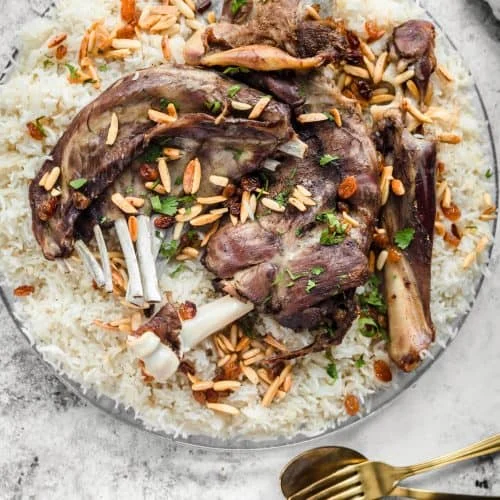
Mandi is another traditional rice dish that is widely loved in Saudi Arabia, known for its subtle smoky flavor and very tender meat.
The rice is cooked in a well-seasoned broth made from meat stock, onions, and mild spices, which gives it a light but flavorful taste. The key element of Mandi is the way the meat is cooked. Traditionally, the chicken or lamb is slow cooked in an underground oven, which allows it to absorb a natural smoky aroma.
This cooking method makes the meat extremely soft and easy to separate from the bone. Unlike Kabsa, Mandi uses fewer strong spices, resulting in a cleaner and more delicate flavor profile.
It is commonly served in large portions and is a popular choice in restaurants, especially for group meals.
- Shawarma – One of the Most Popular Fast Foods
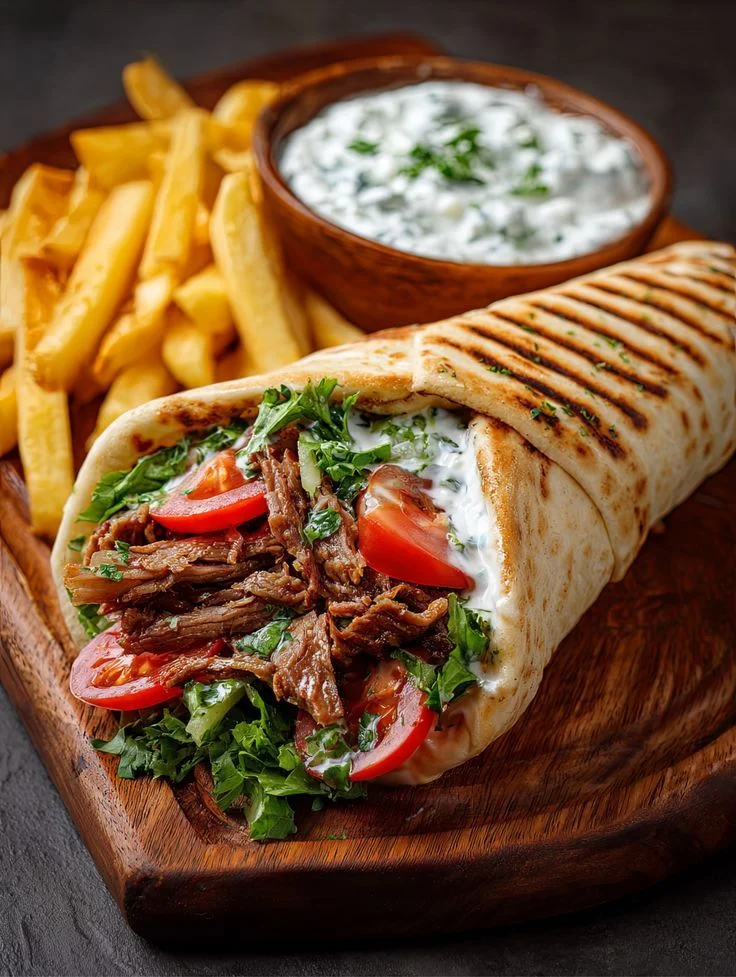
Shawarma is one of the most popular fast foods in Saudi Arabia and can be found almost everywhere, from small street shops to large restaurants.
It is made from thin slices of marinated chicken or beef stacked on a vertical rotating grill. As the outer layer cooks, it is shaved off and wrapped in flatbread.
The wrap usually includes garlic sauce, pickles, and sometimes fries, creating a combination of flavors that is both savory and slightly tangy.
Shawarma is especially popular for quick meals and late night food, making it a regular part of daily life for many people.
- Jareesh – A Traditional Dish with a Soft, Creamy Texture
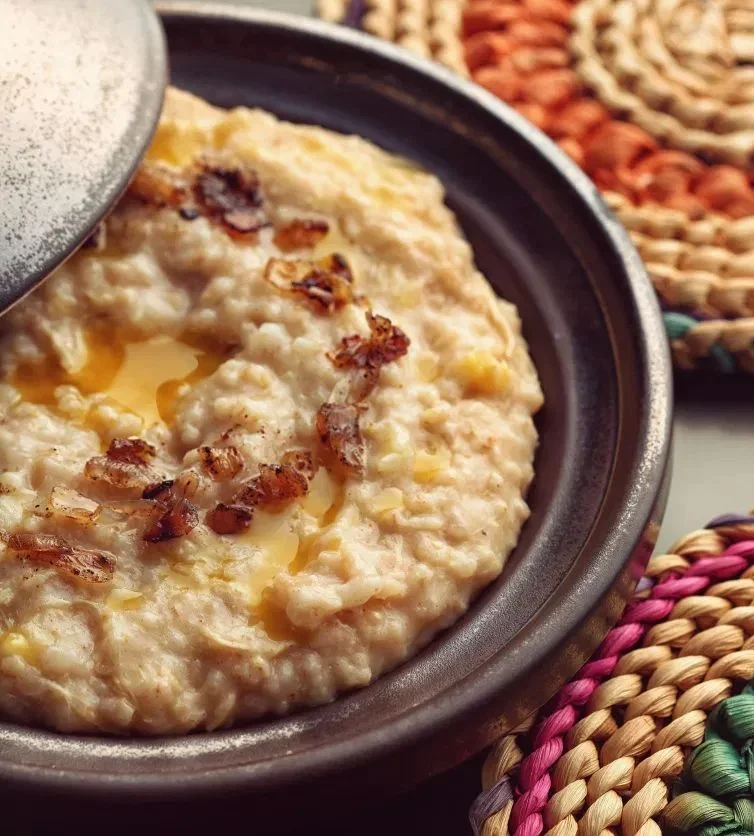
Jareesh is a traditional Saudi dish made from crushed or cracked wheat, and it is known for its soft, thick consistency.
It is cooked slowly with yogurt or milk, along with sautéed onions and sometimes chicken or meat. The cooking process takes time, allowing the wheat to fully soften and absorb all the flavors, resulting in a creamy and slightly tangy dish.
Jareesh is often considered a comfort food and is commonly prepared in homes rather than restaurants. Its texture may be unfamiliar at first for those trying it for the first time, but it is valued for its simplicity and nourishing quality.
This dish reflects the traditional side of Saudi cuisine, focusing on basic ingredients prepared in a slow and careful way.
- Samboosa – A Crunchy and Versatile Snack
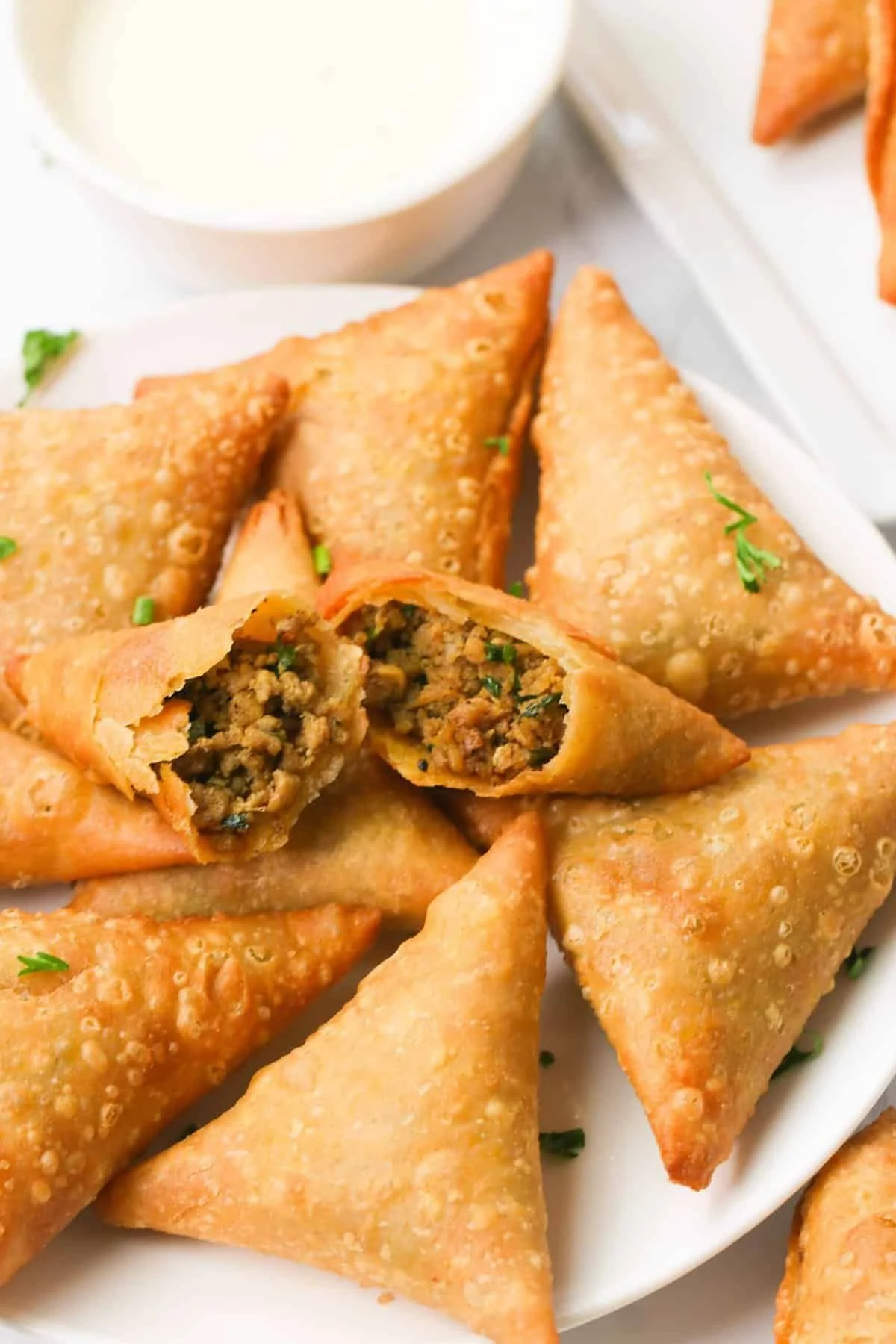
Samboosa is one of the most popular snacks in Saudi Arabia, especially during the month of Ramadan.
It is made from thin pastry that is filled with various ingredients such as spiced minced meat, vegetables, or cheese. The filled pastry is then folded into a triangular shape and deep fried until it becomes golden and crispy.
The outer layer is light and crunchy, while the inside is warm and flavorful. Because of its small size, it is easy to eat and often served in large quantities for sharing.
Samboosa is commonly paired with soups or eaten as a starter before the main meal, making it an essential part of many traditional dining experiences.
- Kunafa – A Rich and Sweet Dessert
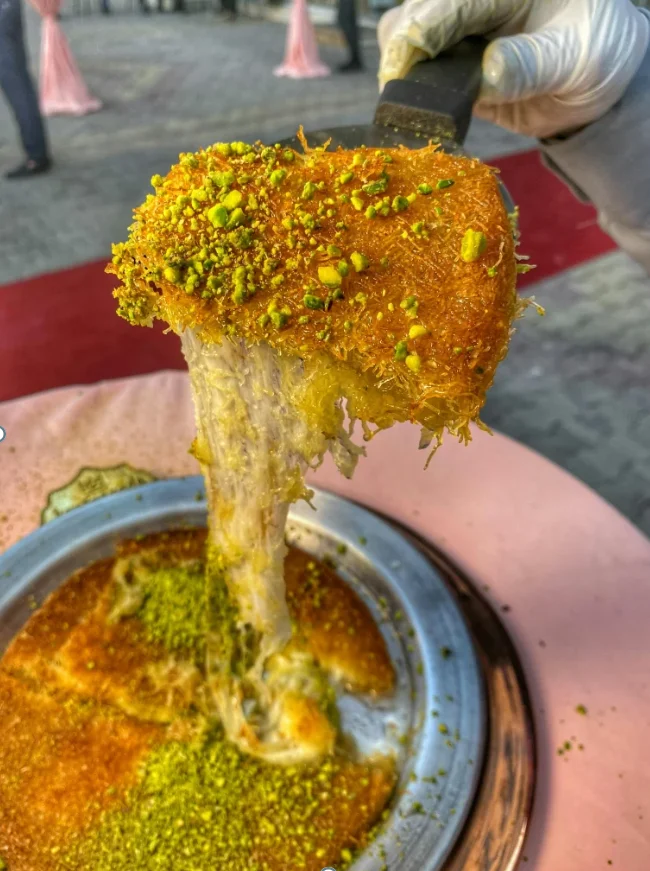
Kunafa is one of the most well-known desserts in Saudi Arabia and across the Middle East.
It is made using thin strands of pastry layered with soft cheese or cream, then baked until golden. After baking, it is soaked in sugar syrup and often topped with crushed pistachios.
The texture is a combination of crispy on the outside and soft on the inside, while the flavor is sweet but balanced by the richness of the cheese.
Kunafa is usually served warm and is especially popular during celebrations and gatherings.
- Dates and Arabic Coffee – A Symbol of Hospitality
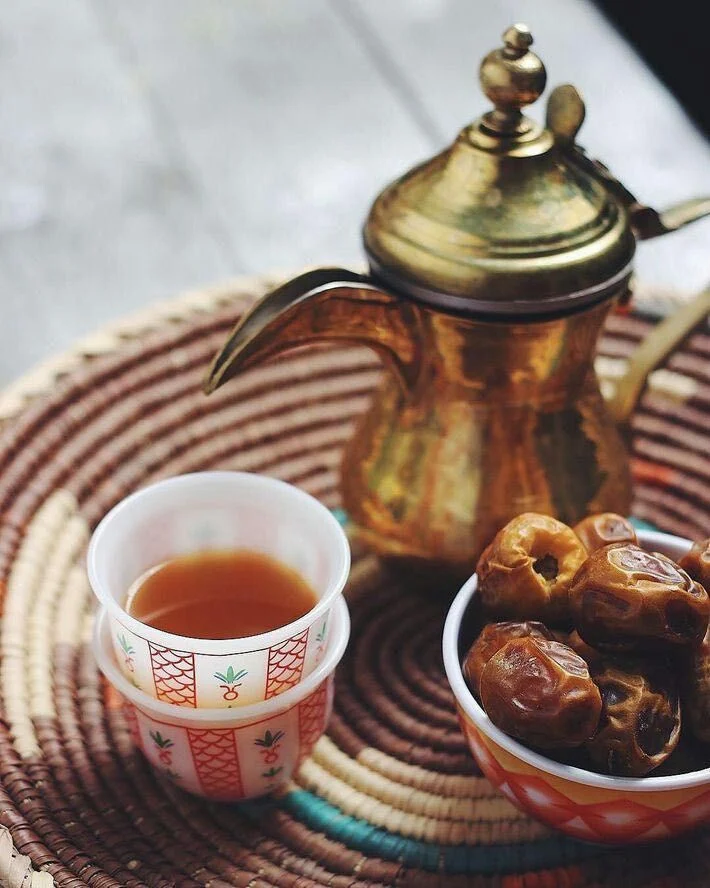
Dates and Arabic coffee are an essential part of Saudi culture and hospitality.
Dates are naturally sweet fruits that are often served as a first offering to guests. They come in different varieties, each with its own texture and level of sweetness.
Arabic coffee, also known as “Gahwa,” is lightly roasted and flavored with cardamom. It is usually served in small cups and poured from a traditional pot called a dallah.
This combination is not just about food or drink. It represents welcome, respect, and generosity, and is often the first experience visitors have when entering a Saudi home.
What Food Taught Me About Life in Saudi Arabia
Trying local food in Saudi Arabia is not about trying something fancy or unusual. Most of these dishes are simple. Rice, meat, wheat, basic ingredients. But the way they are prepared, shared, and served gives them a different kind of value.
You’ll notice that many meals are made for sharing. Large portions, placed in the center, meant to be eaten together. That alone tells you a lot about the culture.
For expats, especially those working long hours like in healthcare, food can easily become just something quick and convenient. But taking time to try local dishes, even occasionally, makes the experience of living here more complete.
You don’t need to try everything at once.
Start with one dish. Then another. Slowly, you’ll begin to recognize the flavors, the differences, and even your personal favorites. And at some point, these foods won’t feel foreign anymore. They’ll just feel like part of your daily life in Saudi Arabia.
With heartfelt thanks,
NurseinKSA 🇸🇦🩺💚
Enjoyed this story?
Subscribe to get the latest updates on my nursing journey in KSA directly to your inbox.
Read Next
View all posts
A Unified Front: Nursing Leaders Gather in Alkhobar to Define Saudi Healthcare’s Path
Marhaba! 🇸🇦 When nursing leaders, educators, and practitioners recently gathered in Alkhobar, it was far more than a typical professional conference. Hosted by Johns Hopkins Aramco Healthcare (JHAH), this two-day congress represented a pivotal moment in Saudi Arabia’s ambitious national transformation. It marked the convergence of dedicated leadership, advanced technology, and a clear national vision, […]

The 6 Safety Goals You Can’t Afford to Ignore!
Marhaba! 🇸🇦 As you begin your journey in nursing, it’s essential to understand a core principle that guides every action you’ll take: patient safety. This isn’t just a list of rules to memorize; it’s the very foundation of every care plan we write and every medication we administer. As the foundation of every care plan, […]

From Textbook to Bedside: How to Confidently Administer Medications
Marhaba! 🇸🇦 You graduated from nursing school knowing the rules. You could recite the Five Rights, master the math, and ace any exam on medication administration. But the first time you stand at the bedside with a tray of life-saving and potentially life-threatening drugs for your own patient, a quiet but persistent question arises: “What […]